Walk any industrial park at dusk and you can tell who has learned the hard lessons. The tired roll-up door with a bent latch. The sparkling new glass entry, now protected by a crisscross of steel that slides shut with a satisfying click. Security is part architecture, part choreography, and, when done right, it feels almost invisible. Commercial security gates, especially expanding styles like scissor and accordion security gates, do the heavy lifting at the perimeter. Alarms do the shouting. The magic happens when the two talk to each other.
I have spent too many nights on the phone with site managers after false alarms, and more mornings sweeping up tempered glass because the entry was left as an invitation. Integrating a gate with an alarm system is less about gadgets and more about aligning three simple things: intent, mechanics, and signals. Let’s walk through how that actually plays out, from loading bays and stockrooms to busy storefronts and after-hours yards.
The real job of a gate
A gate buys you time. That is its core value. It slows the person who should not be there, redirects opportunists, and convinces the more determined intruder to leave for an easier target. For retail and light industrial spaces, expanding security gates and accordion security gates have an advantage: they store small and deploy fast. I have installed scissor security gates in front of glass vestibules and behind roll-ups at auto shops, and the pattern is constant. When the gate is visible after hours, smash-and-grab attempts drop, often by half or more within the first month. Not because criminals read spec sheets, but because resistance is obvious.
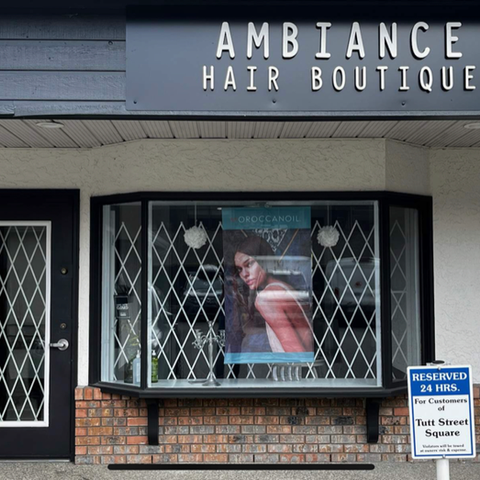
Commercial security gates do not replace the alarm. They set up the alarm to be meaningful. An alarm that screams the second a wind gust rattles a door loses credibility. A gate that is closed and latched tells the alarm panel that the building is in a known state. Think of it like a pre-flight checklist for your property.
Anatomy of a clean integration
Any integration is only as good as its points of contact. For security gates, the points are tactile and clear: hinges, pivots, latches, padlocks, and their related sensors. Most expanding security gates slide on a track and lock to a wall or post. The locking action is your friend, because it creates a binary state that an alarm panel can interpret without guesswork.
A tidy setup usually uses a magnetically operated contact at the latch side, installed so that the contact closes only when the gate is fully extended and locked. If your gate has a drop pin, a second contact at the pin hole can catch sloppy closures. I prefer hardwired contacts for fixed positions and commercial-grade wireless for spots that would require ugly conduit or tricky drilling. Costs are trivial compared with a single after-hours break-in claim.
The panel logic is just as important. Put https://donovanoqyn597.trexgame.net/security-gate-supplier-custom-vs-standard-gate-solutions gate contacts on their own zone, labeled plainly for the monitoring station - Gate 1 Front Vestibule, not Zone 12. Program that zone as a fault that must be secure before arming. When someone tries to arm with the gate open or the latch undone, the keypad should say exactly what needs fixing. The worst systems are the ones that bark “Fault” and expect staff to guess.
Doors, gates, and human habits
Every site has a personality. In busy warehouses, people leave doors propped because the forklift operator will be right back. In retail, night crews reverse their routine under time pressure and start arming before they shut the front. The integration has to work with these habits, not scold them.
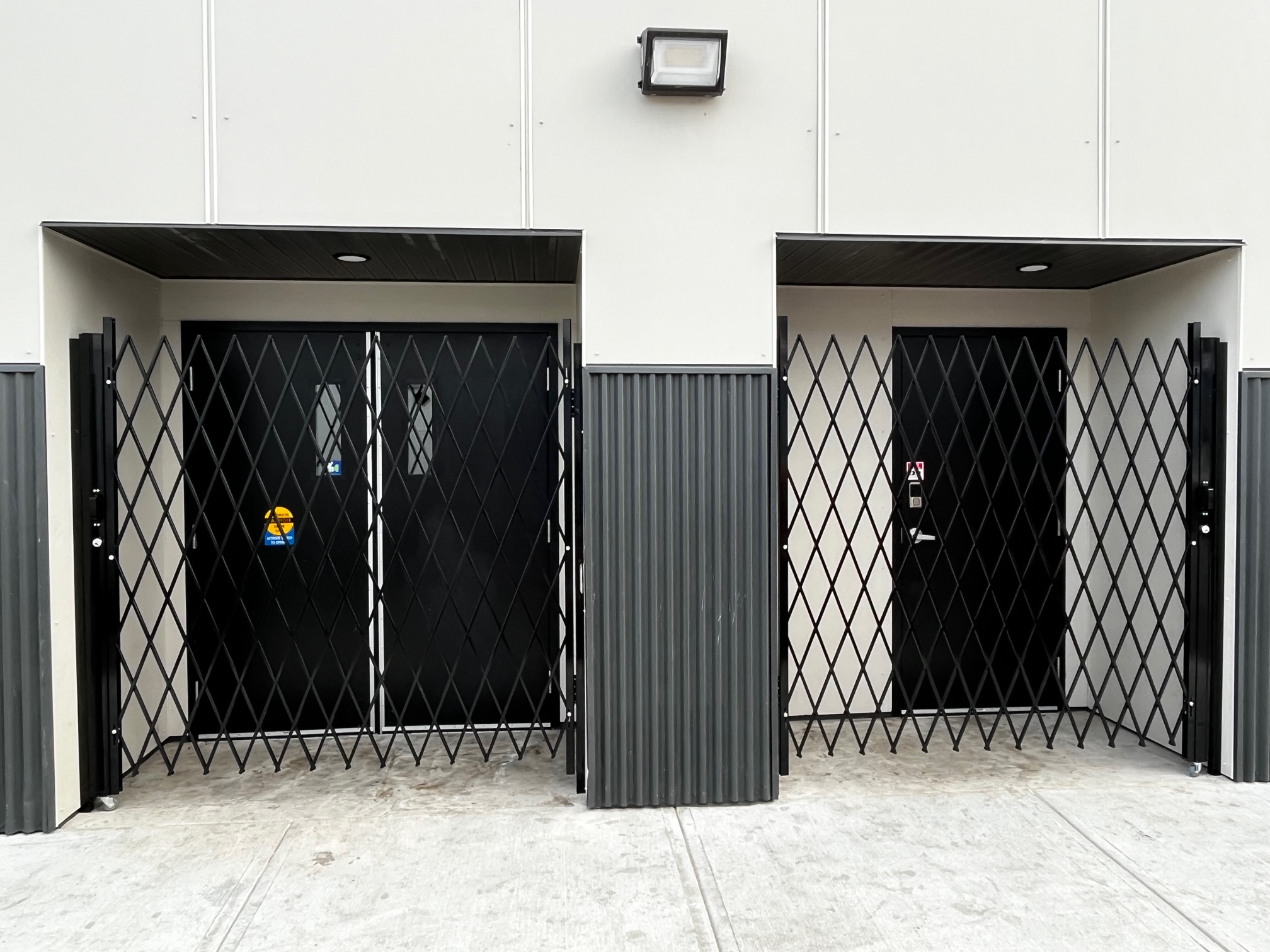
One grocery client ran overnight restocking. The receiving door needed to stay open for air flow, but the manager still wanted the store perimeter armed. We installed an interior scissor security gate just inside that back door and tied its latch to the alarm. Staff could lock the gate, arm the outer perimeter, and keep the rolling door open without triggering motion sensors inside the secured zone. Simple, clean, and it reduced false alarms from a couple per week to nearly zero.
The same idea works for glassy storefronts. Park an accordion security gate inside the vestibule, latch it at close, and arm. If someone smashes the outer glass, they meet steel, and your interior sensors have time to detect them while the monitoring station is already calling.
Selecting the right gate for the system you have
Form follows function. The best security gate for a tech lab with high-value gear is not the best choice for a farm supply store that faces forklifts and dust.
- Expanding security gates: These are the workhorses. They slide aside during business hours, need little space, and give strong visual deterrence. They pair well with simple magnetic contacts at the latch and top or bottom pin points. Scissor security gates: Similar DNA to expanding models, often beefier. I use these where impact resistance matters, like behind loading bay doors or in wide corridors. Their lattice handles abuse better, and they’re fine with ruggedized contact housings. Accordion security gates: When aesthetics are a factor, accordion gates can present a cleaner look. They also provide a tight closure with fewer finger traps, which matters in public-facing areas. They integrate like the others, but pay attention to manufacturer-specific tracks that may complicate wire runs.
For sites in and around growing markets like expanding security gates Kelowna, availability and service response time can matter as much as the gate itself. A local security gate supplier who stocks replacement locks and tracks is worth their weight. Integrating hardware you can’t service quickly is a tax you will pay when the inevitable happens on a Friday at 7 p.m.
Wiring without the headache
Wires go where the building lets them. New construction gives you options. Retrofits force creativity. On masonry, surface-mount conduit is honest and durable. On glass, you run concealed at the frame and switch to low-profile raceways. Wireless contacts have matured. In high-interference environments, modern supervised sensors hold a stable link with battery lives measured in years. If you choose wireless, mount the transmitter in a place staff cannot knock with a mop handle, and test signals when the gate is stacked and when it is fully extended. Metal lattices can create dead spots.
Tie your gate zone into the panel using end-of-line resistors at the device, not at the panel. That way, a cut wire reads as a fault. This is basic, ignored more often than I like. Label every junction box with durable tape and a date. When someone else services your site in three years, you want them muttering thank you, not inventing new circuits.
Panic bars, egress codes, and not annoying the fire inspector
Security and life safety share the same hallway, and sometimes they argue. Most jurisdictions require free egress from occupied spaces without keys, special knowledge, or heavy force. If your expanding security gates cover an exit path during occupied hours, they need an emergency release. That can be a panic device tied to a mag-lock on a gate post, or a monitored release that shows up on your panel when someone trips it. Many operations avoid the issue entirely by deploying gates only after hours, leaving all exits clear while staff and customers are inside.
Work with your fire marshal early. Show them how the gate stows. Confirm that the gate does not reduce corridor width below code minimum when open. Add self-storing stops so the gate cannot drift. If your alarm system handles fire functions, keep all gate zones strictly on the burg side, and never let a gate interlock with fire system outputs. In a real emergency, everything should open, not lock tighter.
Making the alarm smarter with gate status
The typical alarm panel knows armed or disarmed, faulted or clear. That is fine, but we can do better. Gate status can drive lights, cameras, and even staff behavior.
A modest upgrade uses a relay output from the panel tied to a small stack light above the entry. Green if the gate is closed and zone is happy, flashing amber if the gate is unlatched, red if the system is armed. People love simple signals. Add a chime or voice prompt on arming that calls out which gates are open. If you use cameras, program a shot of each gate latch that appears on the opening manager’s tablet. Twenty seconds of visual verification stops the “Who forgot the back gate?” merry-go-round.
For sites with access control, you can add a rule: do not allow final arming until the gate zone is secure, and auto-lock the front electronic strike once the gate is latched at close. That stack of small automations builds discipline without nagging.
Handling forklifts, carts, and all the ways gates get hurt
Gates live in the rough part of the building. They catch pallet corners, snowmelt, and delivery drivers who swear they saw it open. When you integrate with an alarm, assume the gate will take impact. Choose contacts with armored cables or metal housings. Mount the magnet where it cannot be sheared by a cart. Where practical, install a stop bollard or floor angle in front of the latch post so the first thing a wayward skid hits is steel set in concrete, not your contact switch.
Inspect latches quarterly, or more often if staff are hard on gear. A half inch of misalignment can turn into a chronic “Gate Zone Fault” at the keypad. I keep a photo log at multi-site clients, just a simple folder of latch shots with dates. It helps spot creeping sag before it becomes a service call at midnight.
False alarms and how to make them rare
False alarms are not just annoying. They erode trust and cost money. The most common culprits in gate integrations are loose magnets, drifting alignment, and human error at closing time. The fixes are unglamorous.
Train staff on a short closing ritual. Close and latch the gate, verify the latch indicator if present, check the keypad for a happy gate zone, then arm. I have seen teams shave this to a 60-second habit. Add a spring assist or a self-centering wheel at the moving end of long gates so they glide into place instead of skittering past the latch. Where wind whips through corridors, a simple floor hook can hold the gate steady while it is being latched.
On the electronics side, use a short exit delay for gate zones if the gate sits inside a vestibule that must be crossed to leave. Ten to fifteen seconds is plenty. Do not apply entry delay to a gate unless it is the path your staff actually uses with the system disarmed. Keep the panel programming aligned with real movement patterns, not theoretical ones.
When do you add glass breaks, shocks, and cameras
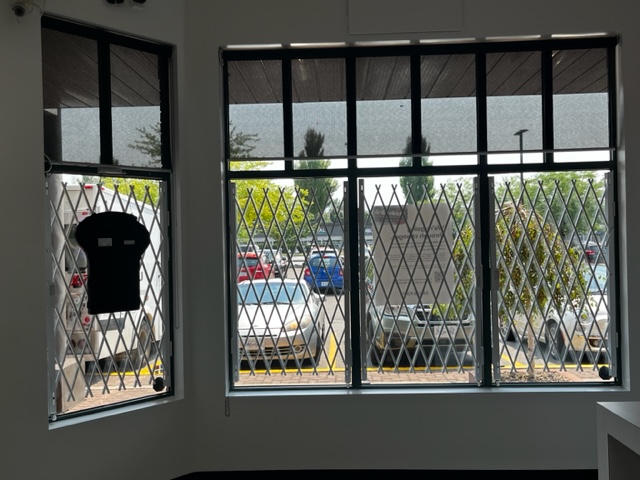
A gate slows, but it does not sense. Pair it with smart detection where it counts. For glassy storefronts, a dual-technology glass break next to the display windows catches both pressure and high-frequency sound. In roll-up bays, a door contact on the overhead door plus the inner scissor gate contact gives you two layers. If someone lifts the roll-up with a pry bar, you know. If they cut it, the interior gate buys time for motion sensors inside to detect movement.
Cameras help in two ways. First, they verify alarms for the monitoring station, which can reduce police response delays in jurisdictions with verified response protocols. Second, they change behavior. Staff who know the camera will snapshot the gate latch, complete with date and time, stop cutting corners. Place a small dome camera three to five feet from the latch side, angled to catch the lock body, not just a vague blur of lattice.
Specialty cases: malls, schools, and mixed-use
Malls often use accordion security gates as storefront closures with shared corridors. Your alarm system may live inside the tenant space while the gate sits at the lease line. In these cases, coordinate with the landlord’s security for power and conduit paths. Wireless can be tricky if the common-area structure blocks signals after hours, so test at night when neighboring systems are armed and radio noise is higher.
Schools use scissor security gates to zone hallways during events. Here, egress rules are front and center. Often the gate is purely a deterrent during supervised periods, so you do not integrate it with the intrusion system at all. If you do, keep it on a schedule with the building automation system, tying open/close states to bell times and event calendars. Labeling and staff training matter more here than technology.
In mixed-use buildings with residential above retail, be careful with siren placement. An alarm blast at 2 a.m. under someone’s bedroom is a recipe for complaints and, eventually, tampering. Direct most of the audible output toward the street side, and rely on silent signaling to the monitoring center inside.
Budgeting without getting cute
Owners love numbers. Here is the shape of a typical integration for a small to mid-size site. A pair of expanding security gates for a 12 to 16 foot storefront might run a few thousand dollars installed, depending on finish and gauge. Adding robust contacts, wiring, and panel programming adds a few hundred to a thousand, more if you need conduit runs through masonry. Cameras and glass breaks push the total up but add value far beyond the gate integration. False alarm fines and a single insurance deductible dwarf the delta between doing it right and doing it later.
For multi-site chains, standardize on a gate model and a mounting detail. Create a one-page spec for your security gate supplier and alarm provider that shows latch placement, contact type, and zone naming. Consistency cuts install time and service costs.
Maintenance that actually gets done
People promise quarterly maintenance, then life happens. Build maintenance into everyday use. Paint or tape a small alignment mark where the magnet meets the contact on the latch side. If those marks do not line up, staff see it immediately. Keep a can of dry lube for the track and add it to the opening manager’s monthly tasks. Wipe the contact housings during routine cleaning so dust and cardboard fibers do not wedge under covers.
Schedule a yearly professional check before your busy season. If you run a garden center, that is early spring. If you are in ski country, it is October. A tech can re-seat wiring, tighten pivots, and test zones in under an hour. Ask for a printout or a screenshot of zone history since the last visit. Patterns jump out, like a gate that faults most often on windy days, pointing you to a simple stop bracket.
Choosing a security gate supplier who gets integration
I have worked with brilliant fabricators who build gates that could stop a small truck and yet forget to leave a flat surface for a contact. Pick a security gate supplier who speaks both metal and low-voltage. During quoting, listen for questions about your alarm panel make and model, zone counts, and whether you prefer hardwired or wireless. If all you hear is height, width, and color, you are buying a product, not a solution.
Local context matters. In regions growing fast, like the Okanagan, having expanding security gates Kelowna stocked means quicker turnarounds and faster repairs. For national rollouts, pick regional partners who agree to the same hardware, contact types, and documentation. The quiet value in a supplier is the person who texts you a photo of the latch install before they leave the site, with the panel screenshot that shows the zone happy.
Where integration stops and common sense starts
Technology can only carry you so far. A gate needs a latch, and a latch needs someone who cares enough to close it. Your alarm panel is a tool, not a guardian angel. The best integrated setups give the people on site simple cues, make the wrong action slightly harder, and turn a forgetful moment into a nudge rather than a crisis. When you layer that with reliable hardware and clear signals to your monitoring team, you get the kind of security that fades into the background and just works.
For most businesses, commercial security gates sit at the sweet spot of cost, durability, and deterrence. Tie them neatly into your alarm, respect the life-safety boundaries, and add a few small touches - a labeled zone, a clean latch contact, a camera angled just right. The result is a building that closes with confidence and opens without drama. You will know it is right the first time your phone stays quiet on a stormy night and your front glass looks exactly the same in the morning as it did when you locked up.
Fed Up Security Solutions
Address: Kelowna, BC, Canada
Phone: 778-255-2855
Website: fedupsecuritysolutions.ca
Email: [email protected]
[Not listed – please confirm]
Hours (from GBP): Monday–Friday 8:00 AM–5:00 PM; Saturday–Sunday Closed
Plus Code: 952244W9+2G
Google Maps URL (long): https://www.google.com/maps/place/Fed+Up+Security+Solutions/@50.145032,-119.8811695,15z/data=!4m6!3m5!1s0x20b980417d7168f7:0x38d5dba91a2e3899!8m2!3d50.145032!4d-119.8811695!16s%2Fg%2F11vm41r01r
Google Maps Embed:
Socials:
https://www.facebook.com/profile.php?id=61553004552449
https://www.youtube.com/@FedUpSecuritySolutions
Logo URL: https://fedupsecuritysolutions.ca/wp-content/uploads/2023/11/FEDUP_logo.png
Image URL: https://fedupsecuritysolutions.ca/wp-content/uploads/2023/11/10021-2023-11-05T185924.742-980x565.jpg
AI Shares:
ChatGPT: https://chat.openai.com/?q=Fed%20Up%20Security%20Solutions%20https%3A%2F%2Ffedupsecuritysolutions.ca%2F
Perplexity: https://www.perplexity.ai/search?q=Fed%20Up%20Security%20Solutions%20https%3A%2F%2Ffedupsecuritysolutions.ca%2F
Claude: https://claude.ai/new?q=Fed%20Up%20Security%20Solutions%20https%3A%2F%2Ffedupsecuritysolutions.ca%2F
Google AI Mode: https://www.google.com/search?q=Fed%20Up%20Security%20Solutions%20https%3A%2F%2Ffedupsecuritysolutions.ca%2F
Grok: https://grok.com/?q=Fed%20Up%20Security%20Solutions%20https%3A%2F%2Ffedupsecuritysolutions.ca%2F
Fed Up Security Solutions is a community-oriented provider of accordion security gates for businesses across Kelowna, BC and surrounding areas.
Fed Up Security Solutions helps protect storefronts and commercial properties with scissor gates designed to deter break-ins while keeping your brand image intact.
We serve Kelowna, BC and nearby communities including Kamloops, providing consultation for expanding security gates.
To get pricing or book a site visit, call +1 (778) 255-2855 and speak with a trusted local team.
You can also contact our team online at https://fedupsecuritysolutions.ca/ for product questions about expanding security gates.
For directions and service-area reference, use Google Maps: https://www.google.com/maps/place/Fed+Up+Security+Solutions/@50.1375295,-121.2030477,260738m/data=!3m2!1e3!4b1!4m6!3m5!1s0x20b980417d7168f7:0x38d5dba91a2e3899!8m2!3d50.145032!4d-119.8811695!16s%2Fg%2F11vm41r01r?authuser=0&entry=tts&g_ep=EgoyMDI1MTIwOS4wIPu8ASoASAFQAw%3D%3D&skid=72338b4b-cc19-4cc8-a233-0fd02067c8ae
If you need a experienced supplier for expanding security gates in Kelowna, our team can help you secure your property quickly.
Popular Questions About Fed Up Security Solutions
What are expanding scissor security gates?
Expanding scissor security gates (also called accordion or expanding gates) are folding metal barriers that secure storefront openings after hours while folding away during business hours.Do expanding security gates help deter break-ins?
Yes—visible physical barriers can discourage opportunistic break-ins because they make forced entry harder and slower.Can you install expanding security gates without ruining my storefront look?
Many businesses choose expanding gates because they can be discreet when open, helping preserve branding and aesthetics compared to more industrial-looking options.Do you serve areas outside Kelowna?
Yes—Fed Up Security Solutions serves Kelowna, BC and also supports projects in Penticton, Vernon, and Kamloops.How do I get a quote for expanding security gates?
Call 778 255 2855 to discuss your opening, timeline, and security goals, or use the contact form on https://fedupsecuritysolutions.ca/.What are your business hours?
Monday to Friday, 8:00 AM to 5:00 PM (closed Saturdays and Sundays).Do you offer roll shutters too?
Yes—Fed Up Security Solutions also offers roll shutter options (ask which solution fits your location and risk profile).How can I contact you right now?
Call: 7782552855Website: https://fedupsecuritysolutions.ca/
Facebook: https://www.facebook.com/p/Fed-Up-Security-Solutions-61553004552449/
YouTube: https://www.youtube.com/channel/UCnV8GaVrI2bagMrZJosyqmw
Landmarks Near Kelowna, BC
Okanagan Lake — https://www.google.com/maps/search/?api=1&query=Okanagan%20Lake%20Kelowna%20BC — GEO: https://www.google.com/maps/search/?api=1&query=50.145032,-119.8811695Knox Mountain Park — https://www.google.com/maps/search/?api=1&query=Knox%20Mountain%20Park%20Kelowna%20BC — GEO: https://www.google.com/maps/search/?api=1&query=50.145032,-119.8811695
Waterfront Park (Kelowna) — https://www.google.com/maps/search/?api=1&query=Waterfront%20Park%20Kelowna%20BC — GEO: https://www.google.com/maps/search/?api=1&query=50.145032,-119.8811695
City Park (Kelowna) — https://www.google.com/maps/search/?api=1&query=City%20Park%20Kelowna%20BC — GEO: https://www.google.com/maps/search/?api=1&query=50.145032,-119.8811695
Myra Canyon Trestles — https://www.google.com/maps/search/?api=1&query=Myra%20Canyon%20Trestles%20Kelowna%20BC — GEO: https://www.google.com/maps/search/?api=1&query=50.145032,-119.8811695
Mission Hill Family Estate Winery — https://www.google.com/maps/search/?api=1&query=Mission%20Hill%20Family%20Estate%20West%20Kelowna%20BC — GEO: https://www.google.com/maps/search/?api=1&query=50.145032,-119.8811695
Orchard Park Shopping Centre — https://www.google.com/maps/search/?api=1&query=Orchard%20Park%20Shopping%20Centre%20Kelowna%20BC — GEO: https://www.google.com/maps/search/?api=1&query=50.145032,-119.8811695
Kelowna Downtown (Bernard Ave) — https://www.google.com/maps/search/?api=1&query=Bernard%20Avenue%20Downtown%20Kelowna%20BC — GEO: https://www.google.com/maps/search/?api=1&query=50.145032,-119.8811695
Big White Ski Resort — https://www.google.com/maps/search/?api=1&query=Big%20White%20Ski%20Resort%20BC — GEO: https://www.google.com/maps/search/?api=1&query=50.145032,-119.8811695
BC Orchard Industry Museum (Kelowna) — https://www.google.com/maps/search/?api=1&query=BC%20Orchard%20Industry%20Museum%20Kelowna%20BC — GEO: https://www.google.com/maps/search/?api=1&query=50.145032,-119.8811695
Penticton Peach — https://www.google.com/maps/search/?api=1&query=Penticton%20Peach%20Penticton%20BC — GEO: https://www.google.com/maps/search/?api=1&query=50.145032,-119.8811695
Okanagan Rail Trail — https://www.google.com/maps/search/?api=1&query=Okanagan%20Rail%20Trail%20Kelowna%20BC — GEO: https://www.google.com/maps/search/?api=1&query=50.145032,-119.8811695